Printable Leprechaun Coloring Pages with Shamrocks

Looking for a fun St. Patrick’s Day activity for your kids?
Why not try some St. Patrick’s Day handprint art!
Kids will love painting their hands green and creating shamrocks with their fingerprints.
Plus, the finished art projects make great decorations for your home or classroom. Hang them on the windows or wall, or frame them! Save them as a keepsake!
Give it a try! Here are my favorite handprint crafts below.
Tip: Print your art on cardstock paper. Use handprint ink pads for this activity.


You’ll enjoy this list of Spring Dot to Dot Printables for the kids to enjoy this spring season! Check out my favorites below.
Looking for a fun way to keep your kids entertained as the weather gets nicer?
Why not try some spring-themed dot to dot printables?
Our selection of printables includes everything from Easter eggs and bunnies to flowers and butterflies.
Printable Spring Activity Pages
Printable Spring Coloring Pages
So whether you’re looking for a new activity to keep your kids busy on a long car ride or just want something fun to do at home, we’ve got you covered.
Simply download and print the pdfs, grab a pencil, and get started!


Do you want to get outside more with your kids this spring season? Here are spring activities to do with your children!

Are you looking for springtime activities to do with your children? Spring fever will be hitting the kids soon with a loud chorus of, “Mom, there’s nothing to do”. Be ready for them with these suggestions from gardening to birdwatching.
Spring offers an enormous opportunity for outside fun activities to do with your children. No one needs to be bored for a second. Beneath the shining sun and in the flower-scented fresh air, all sorts of fun things are just waiting for you to make them happen.
Begin with the most natural thing in the world in spring: planting a garden. Let the children help choose whether the garden will be vegetables or flowers. Go on a planned shopping expedition to buy the seeds. Show the little ones how to rake and how to use a hoe. They will only have to wait about two weeks for results.
Plan and supervise a formal spring gala, complete with castoff dress-up clothes from your closet and that of some of the neighbors’ closets. Have some of the neighborhood children over for fancy crustless sandwiches and pink punch.
Building a birdhouse for the backyard is a family project that everyone can help with. Directions can be obtained from the internet. Even the little ones can learn about measuring with adult supervision. Teach them about respecting tools. Everyone can help paint it.
An easier, cheaper way of attracting birds is to smear some peanut butter onto a pine cone and roll it in birdseed. Then hang it from a branch with some string. Now everybody gets to watch the birds returning home for the summer.
How to Make a Pine Cone Bird Feeder
Camping is always fun, even if its only done in the backyard. You can still have a bonfire with marshmallows and singing. You can tell scary stories around the campfire, and if anybody gets too scared they can run to the comforts of their own beds.
To preserve posterity and plant more than a memory, plant a tree.
Tips for Volunteering with Kids
Follow the quacks and take the kids to the nearest duck and/or geese pond with a loaf of stale bread for them to feed to them.
Make a kite, find a large field without any trees, and fly it. Or, find some really cool kites here.
Take a nature walk in the woods. Bring bags to collect the things you find so that you can later use them in art projects. Bring a pair or two of binoculars to the woods and go bird watching. Bring a bird guide and learn the names of the birds in your area.
Build paper airplanes or bring your remote-control airplanes and fly them in large fields.
Have a neighborhood scavenger hunt. Pick up some inexpensive prizes from the Dollar Store and organize a simple scavenger hunt with easy to find, non-returnable items like hair pins, paperclips, plastic utensils, matchbooks (covers only), coffee filters, and baggies. First team back with everything wins prizes.
Sponsor a “Digging for Treasure” game. You plant the treasure, bring the shovels and pails, and homemade signs and let the other kids in the park dig for buried loot. Go to a park that isn’t too crowded, which is mostly frequented by smaller kids, and that has a sandbox. Have your kids bury the money – not too deep. Then take the signs that say “Dig here for treasure” and put them in the pails with the shovels.
These activities above should provide plenty of entertainment for the kids this spring!
What activities would you add to this list?
Check out more activities for kids!
Happy St. Patrick’s Day!
Today is a fun day to celebrate Irish culture and all things green.
While you’re out enjoying the festivities, why not print out some St. Patrick’s Day Rainbow Coloring Pages for the kids?
St. Patrick’s Day Coloring Pages
I’ve put together a festive collection of rainbow designs that are perfect for celebrating St. Paddy’s Day. Give them a try!


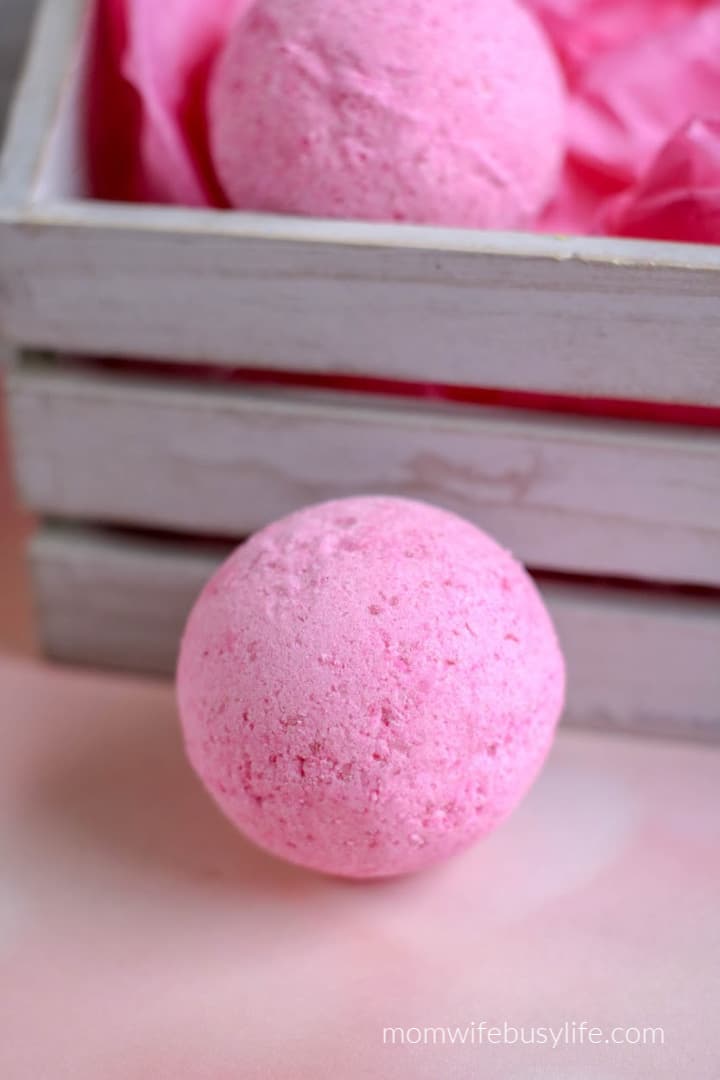
Do you want to learn how to make homemade bath bombs? They are a fun addition to your bath time routine!

For busy moms, finding moments of tranquility and relaxation can feel like a rare luxury.
However, self-care is vital to maintaining a healthy balance between family, work, and personal well-being.
Introducing DIY homemade bath bombs—a delightful and rejuvenating addition to your self-care routine.
With just a handful of natural ingredients, you can create these fizzy wonders, transforming your bath into a spa-like oasis.
Let’s dive into the world of bath bomb crafting, where self-care meets creativity!
Why DIY Bath Bombs for Self-Care?
Self-care isn’t just a trend; it’s a necessity, especially for busy moms who juggle multiple responsibilities.
A warm, fragrant bath infused with essential oils and Epsom salt can work wonders for your body and mind.
Crafting your own bath bombs adds an extra layer of fulfillment and joy, knowing you’re indulging in a homemade creation tailored to your preferences.

Supplies:

Directions:
In a large bowl, whisk together cornstarch, citric acid, salt, baking soda, and mica powder. If making more than one color, divide the mixture into separate bowls.

In a small measuring cup, whisk together essential oil, coconut oil, and water. Note: If making more than one color, divide the mixture into separate bowls.

Very slowly (to avoid as much fizzing as possible) add the water solution to the dry ingredients. Stir and mash together until it resembles sand.
Immediately transfer bath bomb mixture into bath bomb molds, pressing mixture tightly into each side and adding a little to overflow each side of the mold.

Press the mold together, twisting until closed.

Allow bath bombs to rest (and dry) for at least 24 hours.
To remove the bath bombs from the molds, tap the outside of the mold gently. Then, twist each side of the mold and pull to remove the bath bomb.
To give as a gift, wrap tightly in plastic wrap or place in an airtight jar.

Time to Recharge:
Now comes the most rewarding part—taking time for yourself. Draw a warm bath, dim the lights, light some candles, and drop one of your DIY bath bombs into the water.
Watch it fizz and release its enchanting scent. Allow the Epsom salt to soothe your muscles and the essential oils to calm your mind. This is your well-deserved moment of relaxation and rejuvenation.
Frequently Asked Questions:
What are bath bombs, and how do they work?
Bath bombs are fizzy, scented balls that dissolve in water when added to your bath. They contain citric acid and baking soda, which react when they come into contact with water, creating carbon dioxide bubbles that make the bomb fizz and disperse essential oils and other ingredients.
Are homemade bath bombs safe for the skin?
When made with the right ingredients and in proper proportions, homemade bath bombs are generally safe for the skin. However, some people with sensitive skin may experience irritation due to the essential oils or other additives. It’s essential to do a patch test before using a bath bomb to ensure you don’t have any adverse reactions.
Can I use food coloring to dye my bath bombs?
You can use food coloring to dye your bath bombs. However, make sure to use gel or powdered food coloring to avoid adding too much liquid, which could activate the fizzing prematurely.
How can I prevent my bath bombs from losing their fizz?
To prevent bath bombs from losing their fizz, store them in an airtight container in a dry place, away from moisture and humidity. Adding a moisture-absorbing packet or silica gel can help preserve their freshness.
What is the best mold for making bath bombs?
Silicone molds work best for making bath bombs because they are flexible and easy to remove the finished product from. You can find various shapes and sizes, including spheres, hearts, flowers, and more.
Can I add other ingredients like dried flowers or glitter to my bath bombs?
You can add dried flowers or glitter to your bath bombs to enhance their appearance and experience. Always use skin-safe, biodegradable glitter that’s designed for use in soap and bath products.
How long do homemade bath bombs last?
Homemade bath bombs typically have a shelf life of 3 to 6 months if stored properly. After this period, their effectiveness and scent might start to diminish.
Can I customize the scent of my bath bombs?
One of the best things about making your own bath bombs is the ability to customize the scent. You can use different essential oils or fragrance oils to create your preferred fragrance combinations.
How do I avoid bath bombs from crumbling when removing them from the mold?
If your bath bombs are crumbling, the mixture might be too dry. To fix this, try adding a few spritzes of witch hazel or water to the mixture and mix thoroughly until it holds together when squeezed.
Can I sell homemade bath bombs?
You can sell homemade bath bombs, but it’s essential to comply with local regulations, including proper labeling, ingredient listing, and safety assessments. Make sure to do thorough research and follow all necessary guidelines.
Remember that while making DIY bath bombs can be a fun and rewarding activity, it’s essential to use safe and high-quality ingredients and be cautious with any allergens or irritants.
Always test your bath bombs on a small patch of skin and consider consulting a dermatologist if you have any concerns.

Don’t let the winter season fly by without enjoying fun activities along the way! Enjoy these Winter Bucket List Ideas and have fun with your family this season.
Popsicle Stick Winter Bucket List