Category: Family

  • Potty Training Supplies

    Are you starting the potty training process? If so, this list of potty training supplies can help you along the way!

    Every parent knows that potty training is a major milestone in a toddler’s life.

    It’s a time filled with both anticipation and challenges, but with the right tools and supplies, you can pave the way for a smooth and successful transition.

    When Should I Potty Train My Toddler

    Potty Training Tips for Girls

    Potty Training Tips for Boys

    Today, I will guide you through the must-have potty training supplies that will not only support your toddler but also make the process more enjoyable for both of you!

    From potty chairs to training pants and everything in between, I’ve got you covered.

    So, get ready to embrace this exciting journey and discover the essential supplies that will help your little one conquer the potty training adventure with confidence!

    Potty Chairs or Seats

    When it comes to potty training, the choice between a potty chair and a potty seat that fits on a regular toilet is a decision every parent faces.

    Potty chairs offer a standalone option that is low to the ground and often comes with a removable bowl for easy cleaning.

    They provide a sense of independence and security for toddlers who may be intimidated by a regular toilet.

    Best Potty Training Seat

    Potty Training Seat with Ladder

    On the other hand, potty seats that fit on regular toilets offer convenience and familiarity, allowing toddlers to transition smoothly to using a “grown-up” toilet.

    They are portable and save space, making them ideal for families on the go.

    When considering potty chairs or seats, look for options that are comfortable, sturdy, and easy to clean.

    Several reputable brands offer a wide range of designs and features, so you can find the perfect fit for your toddler’s needs.

    Remember, choosing a comfortable and child-friendly option is essential to ensure a positive and successful potty training experience.

    Step Stools

    Step stools play a vital role in the success of potty training, offering toddlers the necessary support and accessibility they need to reach the potty or toilet with ease.

    These humble yet crucial tools empower little ones by promoting independence during their potty training journey.

    With a step stool, toddlers can confidently climb up to the appropriate height, making them feel capable and in control of their potty routine.

    Look for step stools with non-slip surfaces to ensure stability and safety, reducing the risk of accidents.

    Adjustable heights are also beneficial as they accommodate growing toddlers and can be used for various purposes beyond potty training.

    A sturdy and durable step stool is key, as it provides reliable support for your child, instilling confidence and ensuring a positive experience throughout the potty training process.

    Training Pants or Underwear

    The transition from diapers to training pants or underwear is a significant step in the potty training journey.

    Training pants or underwear provide a middle ground between the security of diapers and the freedom of regular underwear.

    They offer several benefits that aid in the potty training process.

    Training pants or underwear help toddlers recognize the sensation of wetness, promoting their awareness of when they need to use the potty.

    This sensory feedback encourages independence and encourages toddlers to take an active role in their potty training.

    Additionally, training pants or underwear are designed with absorbent layers to contain small accidents, giving toddlers a sense of security while reducing the mess.

    It’s important to choose brands that strike a balance between absorbency and comfort.

    Some recommended options include Pampers Easy Ups and Huggies Pull-Ups training pants.

    These brands are known for their reliable absorbency and soft, comfortable materials.

    Remember, allowing toddlers to feel wetness is crucial for their learning process, as it helps them connect the sensation with the need to use the potty.

    Rewards and Incentives

    Rewards and incentives are powerful tools in motivating toddlers during the potty training process.

    They provide positive reinforcement, making the experience more enjoyable and encouraging continued progress.

    Sticker charts are a popular method where toddlers earn stickers for each successful trip to the potty.

    These charts visually track their achievements, creating a sense of accomplishment and pride.

    Small treats or rewards can also be effective motivators, such as a special toy or a favorite snack, given as a celebration of their milestones.

    Praise and encouragement play a crucial role as well.

    Offering verbal recognition and applause for their efforts builds their self-confidence and reinforces their positive behavior.

    To keep toddlers engaged and excited about using the potty, it’s essential to get creative with rewards.

    For instance, creating a “Potty Party” where the toddler gets to choose a favorite activity or game after successfully using the potty, or creating a treasure chest filled with small toys or trinkets for them to pick from as a reward.

    The key is to tailor rewards to your child’s interests and preferences, ensuring they are meaningful and motivating.

    By implementing rewards and incentives, you can make the potty training experience more enjoyable, boost your toddler’s confidence, and encourage their progress along the way.

    Potty Training Books

    Potty training books and resources play a valuable role in familiarizing toddlers with the process, making it more relatable and less intimidating.

    These resources provide visual aids and storytelling that capture a child’s attention, helping them understand the concept of using the potty.

    Age-appropriate books like “Potty” by Leslie Patricelli, “Big Girl Panties” by Fran Manushkin, or “The Potty Train” by David Hochman and Ruth Kennison are wonderful options that explain potty training in a fun and engaging way.

    These books use vibrant illustrations, relatable characters, and simple language to guide toddlers through the potty training journey.

    Cleaning and Hygiene Supplies

    Maintaining cleanliness during the potty training phase is of utmost importance for both hygiene and comfort.

    Accidents are inevitable, and having the right cleaning supplies on hand is crucial.

    Enzyme-based cleaners are highly recommended as they effectively break down organic matter and eliminate odors associated with accidents.

    These cleaners are gentle yet powerful and can be used on various surfaces, including carpets, upholstery, and hard floors.

    Disinfectant wipes are also essential for quick and convenient clean-ups, ensuring that surfaces remain hygienic and germ-free.

    Additionally, it is important to teach toddlers proper hygiene practices during this phase.

    Reinforce the importance of thorough handwashing after using the potty, emphasizing the use of child-friendly soap and warm water.

    Encourage them to scrub their hands for at least 20 seconds, making it a fun and interactive activity by singing songs or using timers.

    Remind them to dry their hands properly with clean towels or disposable paper towels.

    By prioritizing cleanliness and teaching proper hygiene practices, you create a healthy and hygienic environment for your child’s potty training journey.

    Portable Potty Essentials

    Portable potty essentials are a game-changer for potty training, especially during outings or travel.

    When you’re on the go, having a portable potty option ensures that your toddler can maintain their potty routine and helps prevent accidents.

    Portable potty seat options are convenient and provide a familiar and comfortable seating area for your child.

    These seats are designed to fit securely on regular toilets, offering stability and reducing the fear of falling in.

    Another option is disposable travel potty liners, which can be placed over public toilet seats, providing a hygienic barrier between your child and the seat.

    They are lightweight and easy to carry, making them perfect for travel.

    When using portable potty solutions, it’s essential to be prepared. Always carry extra liners or disposable bags for easy cleanup.

    Familiarize your child with the portable potty option before leaving home, so they feel comfortable using it in new environments.

    Additionally, be mindful of locating nearby restrooms or facilities when planning outings.

    With proper preparation and the use of portable potty essentials, you can ensure that your toddler’s potty training progress continues smoothly, even when you’re on the go.

    Get started on your potty training success!

    In conclusion, having the right potty training supplies is crucial for a successful and positive experience for both toddlers and parents.

    The right tools can make the potty training journey smoother, more enjoyable, and less intimidating for your little one.

    Potty chairs or seats, step stools, training pants or underwear, rewards and incentives, potty training books and resources, cleaning and hygiene supplies, portable potty essentials – each of these supplies plays a significant role in supporting your toddler throughout this milestone.

    As you select supplies, keep in mind your child’s needs, preferences, and comfort.

    Every child is unique, so choose items that resonate with their personality and promote a positive association with potty training.

    Remember, potty training is a gradual process, and it may have its ups and downs.

    However, with the right supplies and support, it can be a rewarding milestone for both toddlers and parents.

    Stay patient, offer encouragement, and celebrate each small achievement along the way.

    With time, consistency, and the right supplies, your little one will embrace the world of independent potty use, setting the stage for a lifetime of healthy habits and success.

  • Nature Activities for Teens

    nature activities for teens

    Kids today are spending more time on the couch and less time enjoying the natural world outside.

    Many children today suffer from “nature deficit disorder.” That means that today there is a generation of kids that has limited contact with the natural world due to a variety of factors.

    Why Don’t Kids Play Outside Anymore?

    Many adults of today can easily remember lazy summer days filled with outdoor activities. But today, safety concerns cause many parents to limit their children’s time outside. Kids who are raised on a steady diet of electronic media may become accustomed to being “entertained” and have difficulty shifting their attention to a less “stimulating” activity. Some kids don’t have access to safe, healthy outdoor environments, and others are involved in so many structured activities there is no time left over for creative outdoor play.

    Why Do Kids Need to Be Outside More?

    Outside play, with its fresh air and physical activity, is the natural cure for those kids who would prefer to sit and play video games or watch TV all day. With childhood obesity at all time highs, it’s imperative that kids get off the couch and get active. Interaction with nature can help spark curiosity, imagination, and creativity. It can also be a great stress reliever and may provide some relief for symptoms of ADD and depression.

    Encourage kids of all ages to get outside as much as possible. Try one of these ideas:

    Nature Activities for Teens

    Go Camping.

    Camping is a great way to enjoy time outdoors. There are plenty of campgrounds that offer nature trails, bike paths, and other outdoor recreation for teenagers.

    Camping Essentials for Families 10 Tips for Camping with Kids

    Go Biking or Hiking.

    Biking or hiking are two great activities to get teens outside to enjoy some fresh air and to enjoy the scenery.

    Plant a Garden.

    Nothing tastes better than a fresh salad made with home-grown vegetables. Teens will learn valuable skills such as planning and organization while benefiting from physical exertion and fresh air.

    How to Start a Container Garden With Kids

    Best Gardening Supplies for Kids

    Watch the Birds.

    Purchasing, or better yet, building, a simple birdhouse can turn any backyard into the go-to spot for local feathered friends. Place feeders close enough to windows to afford an unobstructed view, fill with birdseed, and be patient.

    How to Make a Pine Cone Bird Feeder

    Play in the Sand.

    Sand play isn’t just for little kids. Sifting, dumping, and building can be fun and relaxing for kids of all ages. Add molds, water, vehicles, and other details to create elaborate roads, buildings, and waterways.

    Stare at the Sky.

    The sky is full of simple yet amazing things; all you need to do is lie down on your back in the grass and look up. Check out the shapes clouds make in the sky, or the way the sky changes color at sunrise and sunset.

    Read Outdoors.

    If your teenager is into reading, change up their reading location and have them read outside.

    Outside play doesn’t have to be complicated or elaborate. In fact, some of the best ideas are often the simplest.

    Check out more tips for moms with teenagers!

  • 15+ Ocean Themed Sensory Bins for Kids

    Bring the ocean indoors (or outdoors) this summer with 15+ Ocean Themed Sensory Bins for Kids!

    Sensory bins are gaining popularity in the world of activities for kids, and for a good reason, too! They are what I call the 4 E’s – engaging, educational, entertaining, and exciting! My kids love sensory play and I try my best to keep them entertained with fun activities including sensory bins.

    Ocean Animals Coloring Pages

    What is a sensory bin?

    According to Pre-KPages.com, a sensory bin is typically a plastic tub or a large container of some sort filled with materials and objects carefully selected to stimulate the senses. A sensory bin can be filled with a large variety of different materials such as shredded paper, water beads, water, sand, and more.

    Supplies You’ll Need for an Ocean Themed Sensory Bin

    With summer approaching, I wanted to compile a list of the best ocean themed sensory bins for kids below. Many kids don’t live near an ocean, so creating these ocean sensory bins are a great way to bring the beach closer to them! Get as creative you want with supplies. There are plenty of themed ocean supplies that you can add to an ocean themed sensory bin!

    Before I list examples of ocean themed sensory bins, I thought I’d help you get started by giving examples of supplies that you can use to start your sensory bins.

    • plastic bins for sensory play
    • ocean animal toys
    • variety of shells
    • play sand
    • artificial seaweed
    • water beads
    • decorative beads

    Keep these bins around to provide entertainment for the kids all summer long.

    And here they are…

    15+ Ocean Themed Sensory Bins for Kids

    Under the Sea Sensory Bin by Excite and Explore

    Shaving Cream and Shells Sensory Play by Confidence Meets Parenting

    Beach Day Sensory Bin by Enchanted Home School Room

    Easy Beach Bin by Stir the Wonder

    Ocean Life Sensory Bin by Mama Papa Bubba

    Seaside Sensory Bin by The Chaos and the Clutter

    Ocean Animals Sensory Bin by 3 Dinosaurs

    Turtle Sensory Bin by 1+1+1+1

    Beach Themed Small World Play by Fantastic Fun and Learning

    Ocean Sensory Table by Stir the Wonder

    Day at the Beach Bin by Mama Papa Bubba

    Shark Sensory Bin by 3 Dinosaurs

    Indoor Ocean Sensory Bin by Mama of Many Blessings

    Water Bead Ocean Bin by Make Life Lovely

    Foamy Ocean Sensory Bin by Views From a Step Stool

    I hope you found great ideas for your own ocean themed sensory bins for kids. Get started and create these for sensory play today!

    Read about how you can plan a beach themed movie day!

    Check out more summer themed activities.

  • How to Make Your Own Colorful Sand

    How to Make Your Own Colorful Sand

    Learn How to Make Your Own Colorful Sand using salt for sensory play!

    This recipe is great for sensory play for kids.

    Add this colorful sand to sensory bins or bottles, add some scoops and cups or containers and enjoy play time!

    How to Make Your Own Colorful Sand

    We’ve been playing around with food coloring a lot lately!

    For years, I didn’t even touch the stuff, but now I find that I can’t live without it. Why?

    Because food coloring is amazing. It’s fun.

    >> CLICK HERE TO SIGN UP FOR MY EMAIL LIST AND GET ACCESS TO MY FREE PRINTABLE LIBRARY!

    You can do so much with food coloring including fizzy fun, making sidewalk chalk paint, shaving cream raincolor changing milk, rainbow rice, and now our own colorful sand!

    With three young kids in the house, I’m always on the lookout for fun and exciting projects to do with the kids.

    How to Make Your Own Colorful Sand

    Creating our own colorful sand was something that I’d do again.

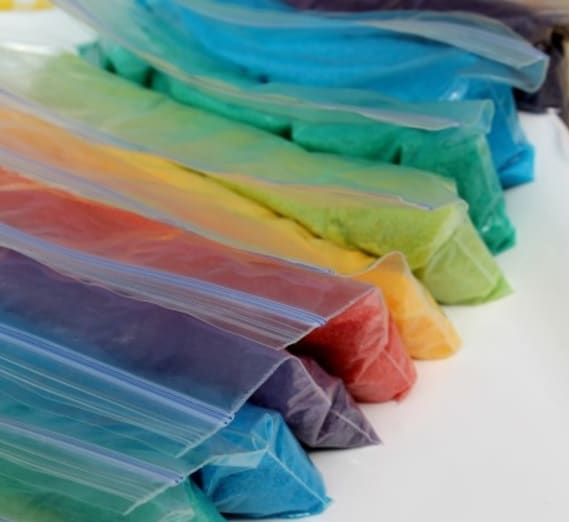
    It’s so easy to do and inexpensive as well. All you need is salt, food coloring, and plastic baggies!

    Purchase Colored Sand

    How to Make Your Own Colorful Sand

    Supplies:

    make your own sand 6

    Directions:

    Pour 1/2 cup to 1 cup salt into a plastic baggie.

    Drop 10-12+ drops of food coloring into the bag.

    Squish the salt around in the bag until the food coloring evenly covers the salt. *Add more food coloring for a brighter color.

    Let the colored salt sit in the plastic baggie overnight to make sure it’s dry.

    Using a flat pan or plate, allow your child to play with the sand!

    Give them a cup or spoon or other toys they can use to make their playtime even more fun.

    You can even pour the colored salt into little containers and make pretty colored layers with it.

    make your own sand 8

    A few important notes:

    *I did receive a question from a reader asking if salt would make hands dry. I didn’t experience this with my own children, but if you think the salt is in fact causing your child’s hands to get dry, I would recommend discontinuing the use. You can also use the salt for just scooping and pouring and avoid using hands in the salt.

    **As with any activity involving small children, monitor your child during this activity to make sure they aren’t putting the colored salt in their mouth. 

    how to make sand 5
    make your own sand 3

    My girls enjoyed playing with their sand! When we were finished playing, we poured the sand back into the bags to save for another day! Try mixing the colors for more fun!

    Kinetic sand is also a great idea if you are looking for alternative ways to play with sand!

    Let me know if you tried this activity! Leave a comment below.

    Learn How to Make Rainbow Rice for sensory play! Rainbow rice is great to place in sensory bins and can help teach color recognition.

    Try our Magic Milk Science Experiment! Kids will enjoy watching the color changes from this fun experiment. We’ve completed this activity several times and it never gets old. This color changing milk activity is fun for adults, too!

    This Shaving Cream Rain Science Experiment is quick to set up and fun for kids to see! Try a variety of colors to mix it up!

    Learn How to Make Your Own Sidewalk Chalk Paint. Kids love drawing on the sidewalks. See what fun creations they come up with when they make their own chalk paint.

    This fizzing activity is super cool! The Baking Soda and Vinegar Science Experiment only requires two ingredients (plus food coloring if desired) and is neat to watch the baking soda react with the vinegar.

  • Tips for Camping with Kids

    Going on a camping trip soon with your family? Read these Tips for Camping with Kids before you pack up and head out!

    Tips for Camping with Kids

    Find FREE camping printables at the bottom of this post!

    My family and I moved to the Pacific Northwest at the beginning of May. It’s a beautiful area up here and there’s so many outdoor activities to take advantage of.

    You can enjoy hiking, kayaking, crabbing, boating, and beachcombing to name a few. Then of course, there’s camping.

    Camping Essential for Families

    In July, we purchased a pop-up camper from a friend. I couldn’t wait to pack up our camper and venture out on our first camping trip as a family.

    We had no previous experience camping with our children, but we didn’t want to let that stop us from enjoying new adventures and seeing more of the Pacific Northwest. We have two girls ages 9 and 6, and a one year old toddler.

    While you are here, take advantage of these FREE camping activities to print from home and take along with you on your camping trip!

    FREE Camping Printables

    You’ll need to sign up for my email list to access my free printable library!

    • FREE 4-Page Printable Camping Activity Pack
    • FREE Printable Camping Scavenger Hunt
    • FREE Printable Camping Bingo Sheet

    >> CLICK HERE TO SIGN UP FOR MY EMAIL LIST AND GET ACCESS TO FREE CAMPING PRINTABLES FOR KIDS!

    Before we headed out to our camping locations, I made sure to do a little bit of my own research on camping with kids.

    I wanted to know exactly what I was getting myself into and wanted to be prepared.

    Now that we have three camping trips under our belts, I have a few tips to share with you that worked well for us.

    Keep in mind that if you don’t have a camper, you’ll want to make sure you have a family tent large enough to fit everyone comfortably in! Don’t forget sleeping bags!

    Tips for Camping with Kids

    1. Find a kid friendly location.

    There are a lot of places to camp – state parks, national parks, city parks, and KOAs. For our first few trips, we planned to go to KOA locations that had several activities for the kids to take advantage of.

    The campgrounds that we visited had outdoor pools, a big jump pillow, large playgrounds, mini-golf, paddle boats, hayrides, movie nights, ice cream socials, games like Bingo, and more.

    Keeping the kids active and entertained during a camping trip is important!

    mini golf

    2. Bring a Pack ‘n Play for a Baby or Small Toddler.

    Pack up the pack ‘n play if you have babies or toddlers that are just learning to walk and get around.

    We were able to use our pack ‘n play outside of our camper and then for bedtime inside the camper for my son. The pack ‘n play gave my toddler a chance to move around a bit outdoors without us feeling like we had to chase him around everywhere.

    We placed a few of his toys in there as well to keep him entertained.

    Bring a playpen mosquito net to place around the pack ‘n play if you are camping in an area with a lot of bugs!

    pack n play

    3. Bring a stroller with a food tray.

    We used our stroller to push baby boy around the campground.

    We also placed food in the food tray during snacks and mealtimes.

    This served as his high chair for the weekend and made it easy for us to feed him. If that doesn’t work, you can always use a portable high chair for travel.

    camping tips

    4. Don’t forget formula, bottles, and water!

    I keep a bag designated for baby boy’s formula, bottles, and a gallon of water. I keep at least one gallon of water on hand during our camping trips. You never know what kind of access you’ll have to water while camping, so plan ahead! 

    I also keep a little wash tub nearby with dish soap and a bottle brush for cleaning dirty bottles. I suggest bringing at least two or more bottles in case one is lost. 

    bottle bag 2

    5. Bring extra entertainment.

    On the way to and from our camping destination, we allowed the kids to watch their portable DVD players. We also packed a few family games to play as well as coloring books, crayons, softballs and gloves for catch, frisbees, and more.

    My girls were entertained during down times when we were spending more time at our campsite. And yes, my oldest daughter loves to be silly in her pictures these days.

    coloring books and crayons

    6. Bring extra clothes and bedding.

    Depending on where you live, you may want to pack extra clothes for layers and bedding. The temps can get down into the 50’s in the Pacific Northwest during the summer months!

    Even though our camper has a furnace, we still made sure to pack extra layers just in case we need them. The extra blankets were perfect during movie night this summer.

    7. Pack a First Aid Kit.

     Keep a well-stocked first aid kit nearby while camping. You may need it for fixing up tiny boo-boos and more.

    8. Don’t forget the sunscreen and/or bug spray!

    Keep your kids protected with sunscreen and bug spray during camping trips. There’s nothing that can ruin camping trips more than getting a bad sunburn or getting eaten up by bugs!

    We went paddle boating one afternoon and both the sunscreen and bug spray were needed to enjoy our adventure on the lake.

    paddle boating

    9. Invest in a portable toilet.

    Our portable toilet is a camping essential when camping with our kids. You never know how far your campsite will be from the nearest restroom.

    Invest in a portable toilet for your tent or camper so that you aren’t having to take long hikes to and from the bathroom during your stay, especially in the middle of the night.

    Place a Porta-Pak drop in into the water to protect against odors while camping. Don’t forget a roll of toilet paper and hand sanitizer!

    portable toilet (1)

    10. Pack plenty of drinks, food, and snacks.

    The kids will be hungry and you’ll want to keep them satisfied with plenty to eat during your camping trip. Pack plenty of easy snacks to prepare as well as water and other beverages of choice to have on hand during your stay.

    We’ve enjoyed our camping trips this summer because we were well prepared while camping with the kids. These tips worked well for my family. I can’t wait for our next camping adventure!

    Bonus: Print this FREE Camping Scavenger Hunt and take it with you on your next camping trip!

    >> CLICK HERE TO SIGN UP FOR MY EMAIL LIST AND GET ACCESS TO THESE PRINTABLES BELOW!

    >> CLICK HERE TO SIGN UP FOR MY EMAIL LIST AND GET ACCESS TO THESE FREE PRINTABLES ABOVE!

  • How to Create Busy Boxes for Kids

    How to Create Busy Boxes for Kids

    Busy Boxes for Kids

    Spring is here! Well, kind of. I live in the Pacific Northwest currently and some days still feel pretty close to winter!

    During Spring Break when the kids are home, I have to keep them busy! If I don’t offer fun activities for them to work on, then I hear the usual

    “Mom, I’m bored!”

    Thankfully, with busy boxes around the house, they aren’t bored anymore. It took a while for me to understand the importance of having activities organized for them so that they could express their creativity during spring break (and the upcoming summer break).

    If you are in need of a way to keep the kids entertained during the spring break or summer break, try creating busy boxes for each child that will be staying home during the break.

    Busy boxes are a great way to keep kids actively engaged as they provide a way for children to stay creative during the long break.

    It’s super easy to create busy boxes. Just follow the steps below to create your busy boxes and your children will be entertained!

    FREE Printable “I’m Bored” Jar Activity

    15+ Educational Websites for Kids

    Keep in mind that you do not need to spend too much money creating your busy boxes. You may have some of these contents around the house.

    If not, head to your local Dollar Tree to find affordable items to add to your busy boxes. You’ll also want to make sure each box is age appropriate for your child.

    How to Create Busy Boxes for Kids

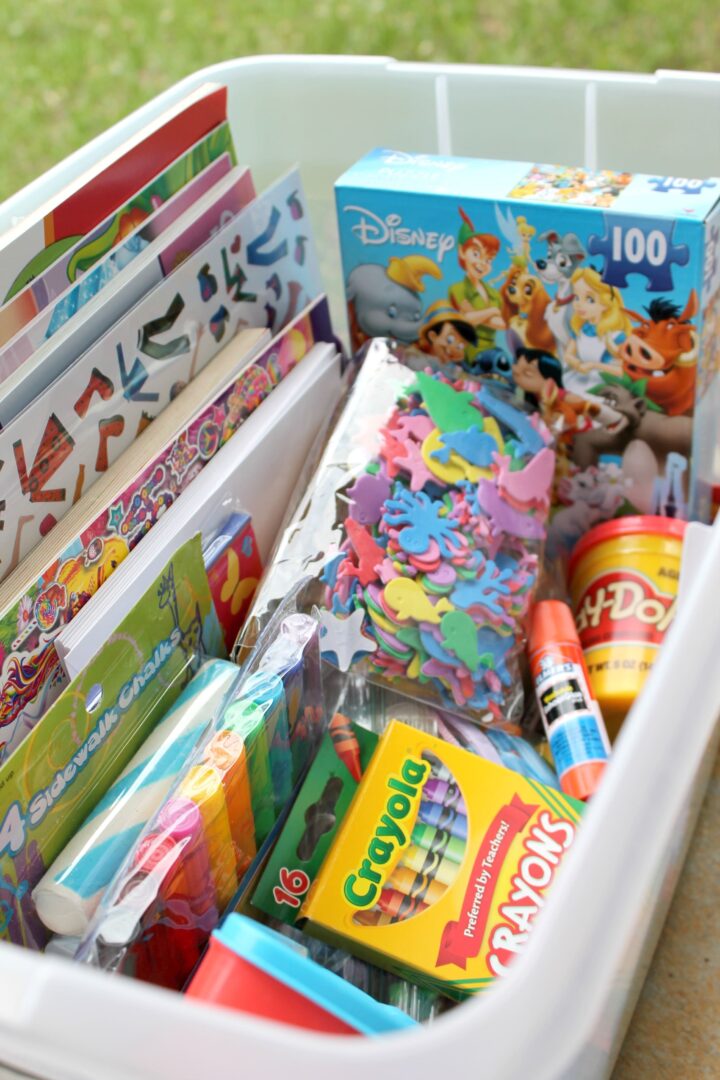
    First, find a box or storage bin for your busy box. You can choose the size based on how many items you’ll use to fill the box.

    Then, start collecting items such as the items listed below to place in your child’s busy box.

    • Crayons
    • Markers
    • Highlighters
    • Colored Pencils
    • Pencils
    • Erasers
    • Safety Scissors
    • Glue Sticks
    • Play-doh
    • Moon dough
    • Modeling Clay
    • Ink Stamps
    • Ink Pads
    • Skinny Chalk
    • Sidewalk Chalk
    • Glitter
    • Stickers
    • Foam Stickers
    • Journal
    • Diary
    • Spiral Notebook
    • Notebook Paper
    • Writing Pad
    • Drawing Pad
    • Coloring Books
    • Children’s Books
    • Puzzles
    • Construction Paper
    • Small Dry Erase Board
    • Dry Erase Markers
    • Envelopes
    • Stationary
    • Colored Feathers
    • Pipe Cleaners
    • Crafting Pom Poms
    • Googly Eyes
    • Popsicle Sticks
    • Tissue Paper
    • Beads
    • String
    • Yarn
    • Paint
    • Paint Brushes
    • Finger Paint
    • Ruler
    • Clipboard
    • Note Cards
    • Flashcards

    There are many more items you can add to your busy boxes depending on the ages of your children.

    Get creative and fill your boxes with enough to get through spring break or the long summer months. You can always add to the boxes as you run out.

    I recommend keeping the busy boxes stored away, only pulling them out during days when they need re-direction as well as cool-off time indoors if they’ve been out all day.

    It’s a bit of a “surprise factor” when they aren’t aware of what’s in the box. Children tend to get excited to work on items that they don’t usually have access to all of the time.  

    Busy boxes are also great to have on hand during rainy days!

  • Summer Activities to Keep Kids Busy

    Summer Activities to Keep Kids Busy

    Summer is around the corner! How do you plan to keep the kids busy this summer? I know I’ll be busy this summer entertaining my girls, so I’m doing my best to plan ahead! There are too many days where I fail to plan out our day and it ends up a complete disaster. This year, I’m changing that and having a plan in place for these long summer days where the kids will be at home and it’s my job to figure out how to entertain them all day! I always find that it’s best to get out of the house for at least part of the day to keep everyone happy!

    Here’s a list of activities to do with your children during the summer! Print this list off and keep it handy! It will help serve as a great guide for those days when you want to do something fun with the kids but you just can’t think of anything to do!

    >>> Print a FREE Summer Bingo Game for more activity ideas! <<<

    Summer Activities to Keep Kids Busy

    Visit your local library.

    Grab a calendar of events for the summer from your library because many times libraries have free programs for children to take advantage of! Plus, your child will enjoy having their very own special library card to check out books or movies!

    Sign up Vacation Bible School.

    Most churches have a themed Vacation Bible School to attend during the summer. Some VBS weeks are held in the morning, afternoon, or evenings so call your church to find out when or if your child can attend and what age your child needs to be to attend.

    Take a trip to the zoo or aquarium.

    Children love animals and learn a lot about animals during trips to the zoo or aquarium! If you have a zoo or aquarium nearby, consider purchasing a season pass so you can visit often!

    Visit a children’s museum.

    Search for the nearest children’s museum and take a trip to a children’s museum for the day. It usually takes a few hours to get through a children’s museum depending on how large it is, so this would be perfect for a day trip! Just like the zoo, you may be able to buy a season pass if you plan to visit more than once during the summer.

    Go swimming or find a spray park.

    Find a pool or spray park in your area and pack the bags to enjoy a day out. Don’t forget to reapply sunscreen often! Season passes are usually available if you plan to go swimming often during the summer. This is a great time to sign up for summer swim lessons offered, too!

    Take a trip to the beach.

    Plan a beach day! Be sure to pack up your favorite snacks and drinks (no glass of course) along with towels, plenty of sunscreen, beach toys, and your bathing suits and enjoy a day in the sun at the nearest beach!

    Head out for ice cream or sno-cones.

    You don’t have to go far to have a great time! Pack the kids up and head out for ice cream or sno-cones at your favorite ice cream parlor. Kids love cold treats, so this is an ice cold treat for them when it’s hot out!

    Go to the movies.

    Take a break from the heat and head to a movie theater to watch kid friendly movies this summer! Enjoy ice cold drinks, snacks, and popcorn while enjoying the nice A/C inside!

    Plan a picnic at a park.

    Pack up a nice lunch for the kids and take a trip to a park nearby to enjoy a picnic! After the picnic, allow the kids to have plenty of playtime at the park!

    Go camping.

    If you have a state park nearby or a outdoor recreation center, plan a camping trip! Pack up the tent or grab the keys to your RV and head out for a family camping trip to enjoy the great outdoors.

    Tips for Camping with Kids

    Skate indoors or go bowling.

    Have a skating rink or bowling alley nearby? Pack up your skates or rent skates at your local skating rink or head out for a day of bowling! Kids will love skating around or bowling to fun music while staying cool indoors!

    Find an indoor fun park.

    Some places have indoor fun parks that offer go-karts, miniature golf, arcade games, bounce houses, and more. Enjoy a day playing games and enjoying time together.

    Visit a theme park.

    If you have room in your budget, plan a trip to your nearest theme park! This is a perfect day trip activity, so be sure to plan a full day of fun while you are there!

    Join summer art or science programs.

    Many towns offer art or science programs during the summer for kids. Call around to local resources to find out how you can take advantage of these programs.

    Visit a farmer’s market. 

    Take a trip to a farmer’s market and allow your children to pick out a few healthy fruits or veggies to bring home. Then, prepare fresh fruit salads or snacks for them to enjoy!

    Staying indoors at home? Create busy boxes to keep the kids from getting bored!

    Plus, here’s a FREE Printable Summer Bingo game to print and complete this summer! Simply check off each activity that your child completes and try to get as many Bingo lines as you can!

    There are so many great ways to enjoy the summer. Grab your calendars now and start planning for summertime fun with the kids! This will help beat summertime boredom and hopefully help to keep everyone happy!

    What are other ways to keep kids busy during the summer?